Intermittent fasting, a diet ‘buzzword’ and often, a misunderstood and misused method. Before we get into what intermittent fasting is and what the benefits are, we must first clarify the basics of fat loss.
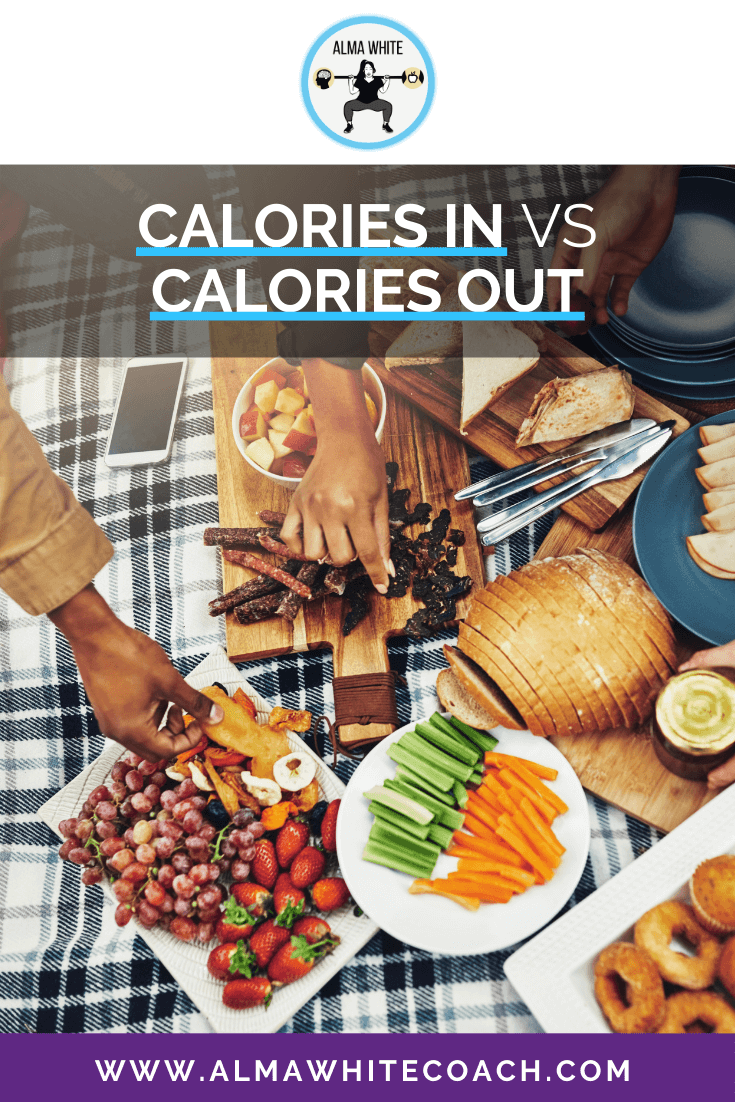
To be in a caloric deficit means we must EITHER be consuming less calories than our body needs to maintain our current weight OR be USING more calories than we are consuming (or doing both).
Intermittent fasting will work for you IF you are in a deficit, if you are not, you will not lose weight. This goes for any diet you try, it all comes down to energy balance.
The calories you should be eating to lose weight are SPECIFIC to YOUR current weight and your lifestyle activity. There is no magic number, it’s all individual.
It simply means not eating food for a period of time or having set ‘eating windows’ eg 12-6pm, nothing before this or after this. You can choose to set any period you like.
The first meal of the day for most of us, who aren't fasting, is breakfast. When we have breakfast we are breaking our fast from being asleep- not eating!
So, If you’ve ever woken up late and not had time to have breakfast, you’ve successfully practiced intermittent fasting- well done.
Intermittent fasting, just like paleo, keto, low carb or counting points are just METHODS we can use to lose weight. They are not the direct cause of weight loss as this will always be the deficit.
Intermittent fasting is something that I practiced when working in an office environment. From my experience, it works well for a lot of people with a 9-5 as skipping breakfast is easy enough to do when you’re able to distract yourself with emails and other work tasks. The majority of my weight loss (10+ stone) was lost through a balanced diet, without any fasting or alternative methods. The key to finding the right diet for YOU is to find one that you can stick to long term and one that suits your lifestyle.
Intermittent fasting works by limiting the amount of time you are eating through the day, in turn, decreasing your caloric intake. Of course, if you fast but then eat the same amount you would have if you weren't fasting, you wouldn’t lose any weight.
You could gain weight when practicing fasting IF skipping a meal caused you to overeat later in the day- it’s all about the deficit. Calories in VS Calories out.
Wake up and simply don’t eat anything- this is the easiest method and a good one to start with. You can drink water, tea without milk or black coffee. No calories. You can have artificial sweeteners such as stevia or my protein flavour drops if you need some sweetener in your drinks.
The second method is to set time windows, such as 2-8pm. This would mean skipping breakfast, having your first meal at 2 and your last meal before 8pm. Individuals who snack late at night may find a later cut off time easier. Which meals you skip and the times you choose don't make any difference as long as they don’t negatively affect the rest of your day e.g. lack of training or training effort due to hunger and lack of energy.
An 8 hour fasting period has been shown to be more effective than a 4 hour fast as it gives more flexibility and allows you to better control calories. If you are going to have your main meal in the evening or in the late afternoon, I recommend you have small protein servings throughout the day. This has been shown to give optimal muscle protein synthesis and will also help to curb your appetite, making you less likely to over eat later on or ‘lose control’.
Name * First Name
Last Name
Email *
Message *
Thank you!